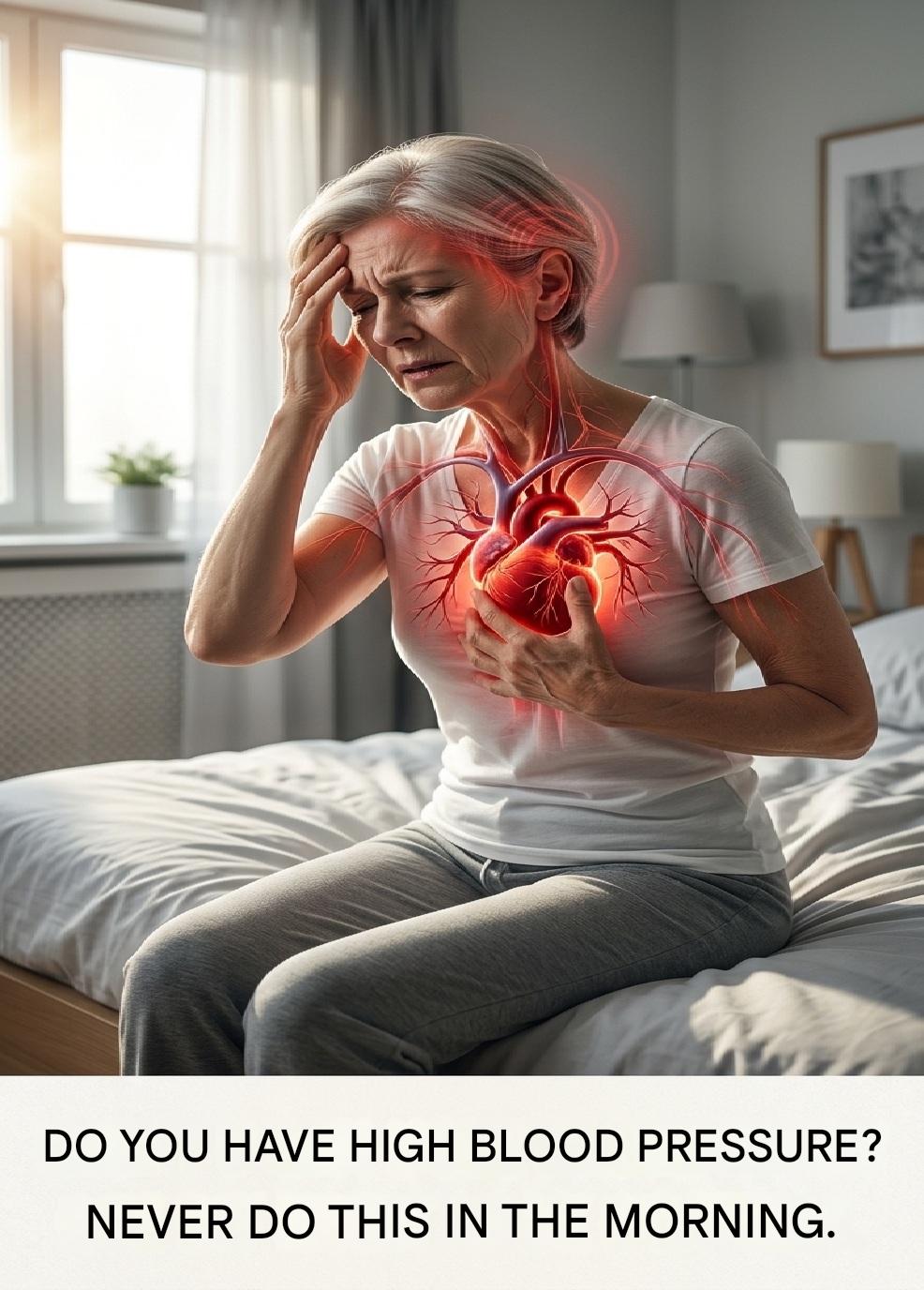
 Do not stop taking your medication just because your readings look good.
Imagine waking up, measuring your blood pressure, and seeing a perfect reading of 120/80. You might think: “Great, maybe I don’t need to take my medication today.” That is a common mistake. But that normal reading is likely due to the fact that you have been taking your medication regularly.
Person holds his head and stares tensely at the sunrise.
The treatment of high blood pressure is not about a single measurement, but about long-term stability. Stopping your medication, even for just one day, can cause your blood pressure to rise and fluctuate again, placing extra strain on your heart and blood vessels.
If you feel dizzy, lightheaded, or unusually tired, do not adjust your medication yourself. These may be signs that your dosage needs to be reviewed, not that you should stop treatment. Always discuss your symptoms and concerns with your doctor before making any changes. Consistency is essential for the safe treatment of high blood pressure.
 Be careful with certain types of tea
Tea may seem like a healthy choice in the morning, but not all types of tea are good for blood pressure. Green tea, black tea, ginger tea, and mate tea contain natural stimulants that can temporarily raise blood pressure. For people who are sensitive to caffeine or have uncontrolled high blood pressure, this effect can be significant.
On the other hand, teas such as hibiscus, horsetail, and lemon balm can slightly lower blood pressure. While that sounds beneficial, combining these with prescribed medication can cause your blood pressure to drop too low, potentially making you feel dizzy or weak.
The safest approach? Consult your doctor before using new herbal teas or supplements. Natural does not always mean harmless, especially in combination with prescribed medication. A brief conversation with your healthcare provider can prevent serious complications.
 Don’t assume everything is fine just because you have no symptoms.
High blood pressure is often called the ‘silent killer’ for a reason: it rarely causes noticeable symptoms until it has already caused damage to organs such as the heart, kidneys, or eyes. Many people say, “I feel fine, so my blood pressure must be okay,” but this false sense of security can be dangerous.
Even a blood pressure reading of 140/90 or higher can be harmful to your body over time. Here is a brief reference:
Category Systolic (top) Diastolic (bottom)
Normal <120 <80
Elevated 120–129 <80
Hypertension stage 1 130–139 80–89
Hypertension stage 2 ≥140 ≥90
Hypertensive crisis >180 >120
When your blood pressure normalizes due to treatment, you may initially feel dizzy or lightheaded. This is because your body is adjusting to a healthier blood pressure level. Do not confuse this temporary discomfort with a problem. Over time, your body will adjust and these feelings will disappear.
 Be careful with over-the-counter medicines.
Painkillers such as ibuprofen, naproxen, and diclofenac are readily available, but also easy to misuse. These non-steroidal anti-inflammatory drugs (NSAIDs) can cause your body to retain sodium and water, which raises your blood pressure and reduces the effectiveness of your prescribed medication.
Even short-term use can have an effect. Studies show that using NSAIDs for just five consecutive days can affect your blood pressure. If possible, discuss alternatives with your doctor or pharmacist, especially if you regularly need painkillers.
 Watch your breakfast
choices. Breakfast sets the tone for the day, but it is also the time when many people consume a surprising amount of sodium without realizing it. Common breakfast items such as bacon, ham, sausage, cheese, and cold cuts are packed with salt. Even ‘healthy’ options like turkey breast or processed spreads can contain hidden sodium that significantly increases your intake.
The World Health Organization recommends limiting salt intake to 5 grams per day (about a teaspoon), which corresponds to 2 grams of sodium. However, most people consume more than double that amount daily.
Try replacing processed foods with fresh alternatives: oatmeal with fruit, boiled eggs, unsalted nuts, or yogurt with seeds. Small adjustments to your breakfast routine can significantly improve your blood pressure in the long run.
 Ensure you get enough quality sleep.
Sleep is more than just resting — it is an essential part of blood pressure regulation. With sleep deprivation, stress hormones such as cortisol remain elevated, causing blood vessels to constrict and blood pressure to rise.
Most adults need 6 to 8 hours of sleep per night, but quality is just as important as quantity. Sleep disorders such as obstructive sleep apnea are common in people with high blood pressure. If you snore loudly or wake up with shortness of breath, ask your doctor for a sleep study. Treatment for sleep apnea can significantly improve your blood pressure.
Think of sleep as nightly maintenance for your cardiovascular system; if you skip it too often, the system becomes dysregulated.
 Understand the underlying cause of your high blood pressure.
Not all cases of high blood pressure have the same cause. In some people, it is caused by hormonal imbalances, such as thyroid disorders or excessive cortisol production.
Hyperthyroidism (an overactive thyroid) can, for example, make blood pressure difficult to regulate, while hypothyroidism (an underactive thyroid) can cause vasoconstriction, which also increases blood pressure. Similarly, an excess of cortisol (such as in Cushing’s syndrome) can raise blood pressure and lead to weight gain, high blood sugar, and muscle weakness.
Identifying and treating the underlying cause can make a big difference. If your blood pressure remains high despite medication, ask your doctor to investigate secondary causes, especially if you have symptoms such as fatigue, weight changes, or mood swings.
 Measure your blood pressure correctly and consistently.
It is essential to monitor your blood pressure, but how and when you do so is important. Measuring too often can cause anxiety, while not measuring at all leaves you in the dark.
Try to take measurements at the same times every day (for example, in the morning and in the evening), after sitting quietly for at least five minutes. Avoid caffeine, physical activity, and smoking for 30 minutes prior to the measurement.
Always record your measurements with the date, time, and heart rate. Over time, this logbook will help your doctor recognize patterns and make better treatment decisions. Consistency, not obsession, is the goal.
 Watch your coffee intake
Good news: coffee is not necessarily bad for people with high blood pressure. Moderate coffee consumption – up to 3 or 4 small cups a day – can even protect against certain heart conditions.
However, more than eight servings a day can increase the risk of heart rhythm disorders (an irregular heartbeat) and temporarily raise blood pressure. Everyone reacts differently to caffeine, so pay close attention to how your body responds. If coffee makes you nervous, anxious, or causes palpitations, it is best to cut back.
Remember: everything in moderation. You can still enjoy your morning coffee, but don’t let it become your main source of energy.
 Last thoughts
read more in next page