
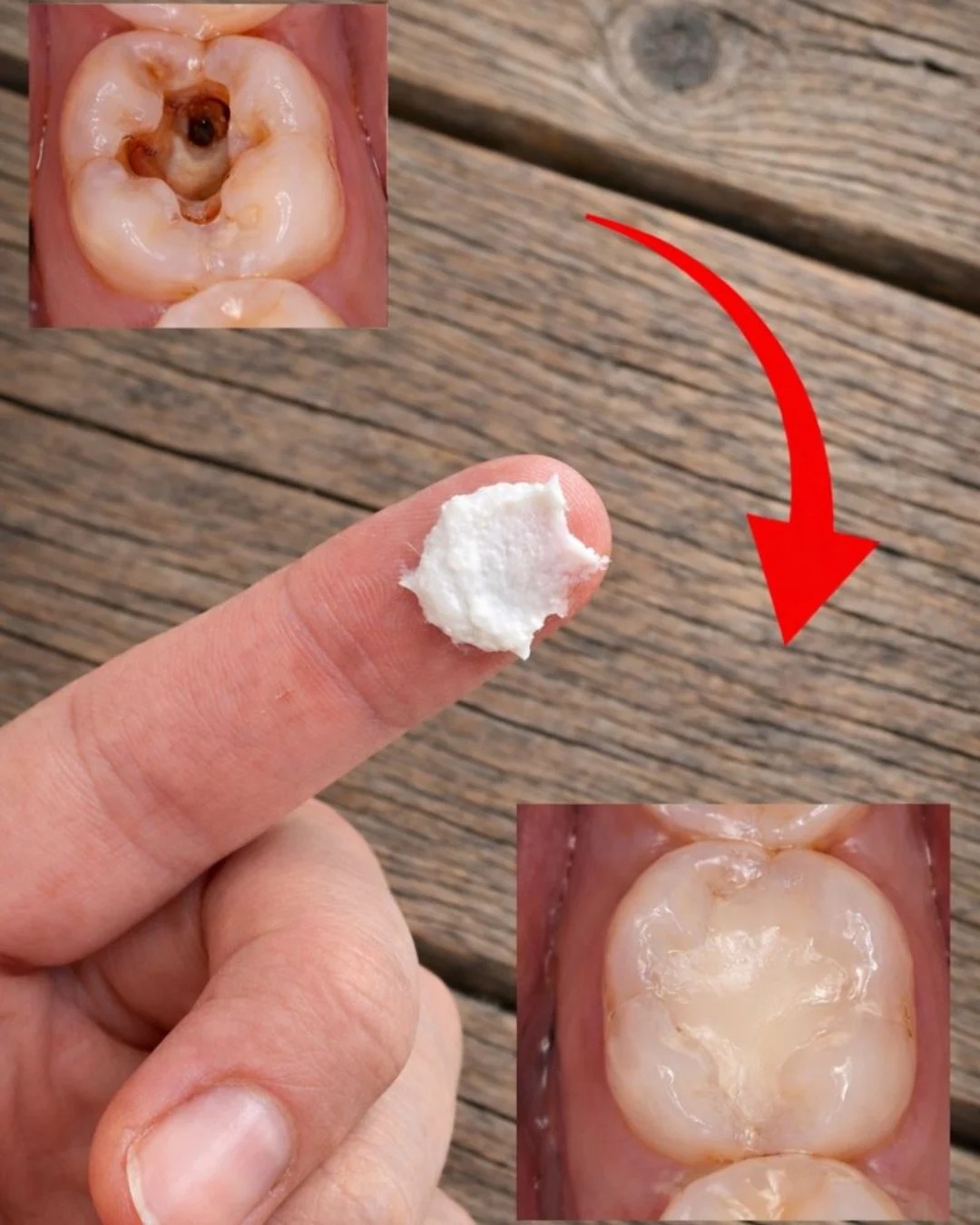
Over 90% of adults have dealt with at least one cavity in their lifetime, and nearly 1 in 5 currently live with untreated tooth decay, according to recent data from the CDC and other health sources. These tiny holes start small but can quickly lead to nagging sensitivity, sharp pains, and costly dental treatments that disrupt your daily life. The real frustration hits when simple joys—like sipping hot coffee or biting into something sweet—turn into moments of discomfort and worry.
But here’s the hopeful side: simple, natural habits from your own kitchen can help support your enamel, balance oral bacteria, and promote a healthier mouth environment. Research suggests these gentle approaches may aid remineralization and reduce risks when paired with good brushing. Ready to discover five easy, evidence-backed remedies that could help protect your smile longer? Let’s dive in.
Why Cavities Happen So Often—and How Nature Can Help
Cavities develop when mouth bacteria feed on sugars, producing acids that wear down tooth enamel. Modern habits like frequent snacking, sugary drinks, or irregular checkups make it worse for millions.
The encouraging news? Studies show certain natural methods can help shift the oral environment, supporting saliva flow, reducing harmful bacteria, and aiding enamel strength.
You’re already taking a smart step by exploring this. Many overlook early warning signs until problems grow. But what if everyday items could boost your routine?
Remedy 1: Oil Pulling with Coconut Oil
Oil pulling is a traditional technique where you swish oil in your mouth to help remove bacteria and debris.
Coconut oil stands out thanks to lauric acid, which has antimicrobial effects. Systematic reviews and clinical trials indicate it may reduce plaque, Streptococcus mutans (a key cavity-causing bacteria), and gingivitis more effectively than plain rinsing.
Here’s how to do it safely:
- Use 1 tablespoon of organic virgin coconut oil.
- Swish gently for 10–20 minutes (build up if you’re new to it).
- Spit into the trash (not the sink to avoid clogs), rinse with warm water, and brush as usual.
Try it daily, preferably mornings. Many notice fresher breath and cleaner-feeling teeth within weeks.
But that’s just the start—consistency unlocks the real benefits.
Remedy 2: Clove Oil for Occasional Tooth Sensitivity
Cloves have long provided natural oral relief. Their active compound, eugenol, offers numbing and antimicrobial properties.
Clinical studies show eugenol can temporarily ease dental discomfort similarly to some over-the-counter gels and help combat oral bacteria.
For short-term use:
- Dilute 1–2 drops of clove essential oil in a carrier like coconut or olive oil.
- Dip a cotton swab and gently apply to the sensitive area.
- Rinse after a few minutes; avoid swallowing.
Use only as needed—this supports comfort, not daily prevention.
Here’s a quick comparison of the first two remedies:
| Remedy | Key Benefit Supported by Studies | How Often | Ease of Use |
|---|---|---|---|
| Coconut Oil Pulling | May reduce plaque and bacteria | Daily | Moderate |
| Clove Oil | Temporary relief and antimicrobial support | As needed | Easy |
These build a strong foundation. But there’s more…
Remedy 3: Warm Salt Water Rinse—A Simple Cleanser
read more in next page

Doctors Reveal What Happens When You Eat Dates Regularly

When my grandfather came into my hospital room after the birth, the first thing he said was, “My dear, wasn’t the 250,000 I sent you every month enough?”

She Arrived At The Hospital To Deliver Her Baby, But The Doctor Broke Down In Tears The Moment He Saw The Newborn… – News

My Stepdad Raised Me as His Own After My Mom Died When I Was 4 – at His Funeral, an Older Man’s Words Led Me to a Truth Hidden from Me for Years

Five days after the divorce, my ex-mother-in-law walked into the house and snapped, “Why are you still here?” But she froze when I told her who had paid for every brick…

